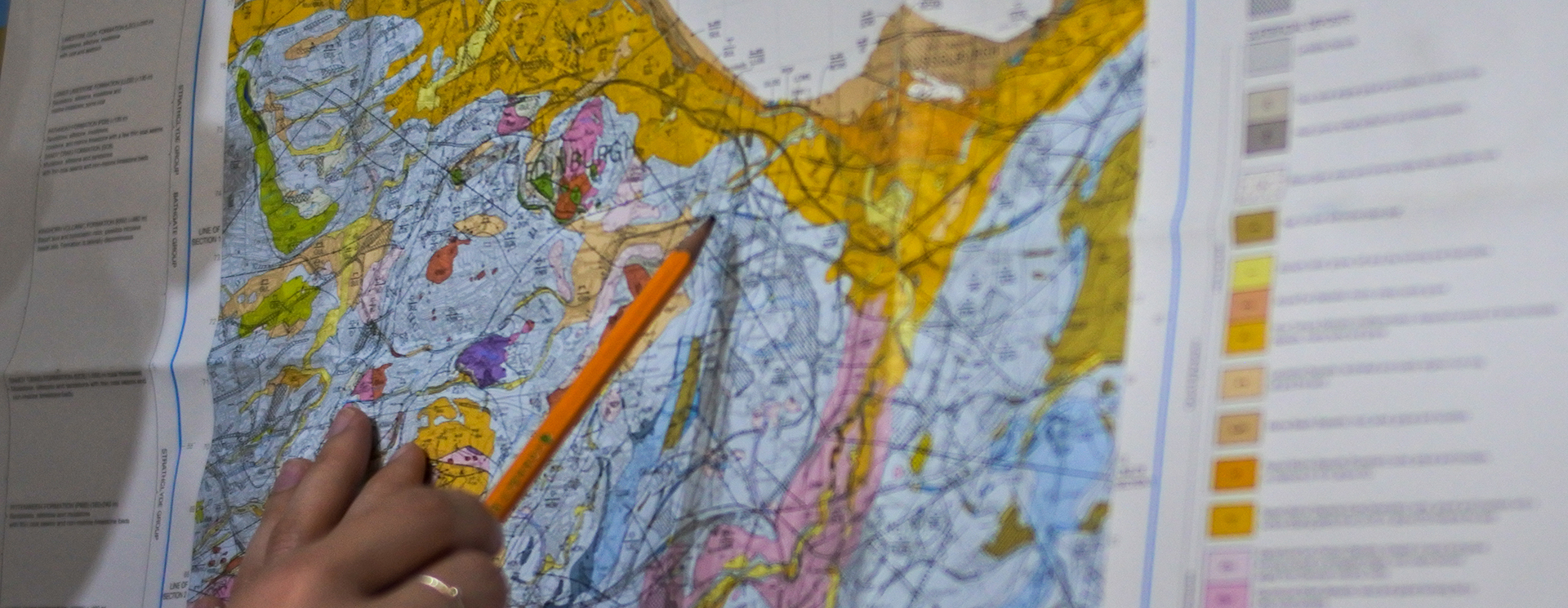
The completion of a Phase 1 Desk Study is usually mandatory for the development of any site, whether industrial, rural or residential in nature.
A desk study should not be approached simply as another bureaucratic hurdle to be overcome in the development of a site but viewed as a comparatively cost-effective means by which vital information about its geo-environmental condition may begin to be understood.
The early and judicious undertaking of a Phase 1 desk-based assessment allows landowners and developers to understand potential liabilities before significant commitments are made. If further, intrusive investigation is warranted, this provides time to consider the available options, whether selling the site in its existing condition, undertaking further investigation, or completing any necessary remediation prior to development or disposal.
A Phase 1 Desk Study or Preliminary Risk Assessment (PRA) is the first step in understanding if there are any potentially unacceptable risks from contaminated land on or near to your property.
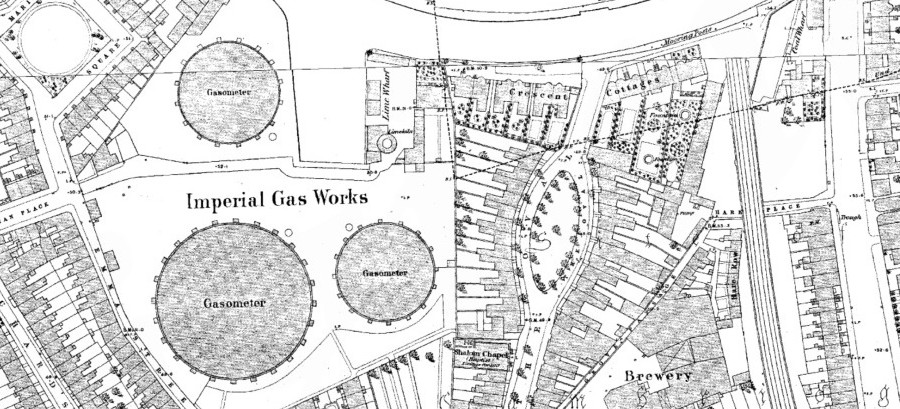
The assessment considers the historical and current use of the site and surrounding area using information such as historical mapping, environmental records, pollution incidents, geology, potentially contaminative activities, watercourses, groundwater resources and environmentally sensitive areas. The assessment will identify the cause of a potential risk (the ‘source’), how that potential risk might spread (the ‘pathway’), and who or what might be adversely affected (the ‘receptor’).
A site walkover can also uncover useful features that may not be apparent from desktop information, such as fuel tanks, former structures, waste materials or other potential sources of contamination. Similarly, useful information can be obtained by discussion with stakeholders and relevant authorities including landowners, occupiers, Local Authorities and the Environment Agency (EA) and in Scotland, the Scottish Environment Protection Agency (SEPA).

The findings will be set out in a Preliminary Conceptual Site Model (also referred to as a Qualitative Risk Assessment (QRA), which condenses potential issues from all different evidence sources and recommends whether further investigations are necessary. A Phase 1 Desk Study / PRA informs what steps are needed in subsequent Phases. Identifying potential contaminated land risks accurately enables more effective management. This, in turn will limit your exposure, contain your liability, and minimise potential future costs, including that of ground investigation; the more comprehensive the desk study, the more focus it will bring to any subsequent ground investigations in respect of the location and type of contamination.

 FREE EBOOK
2026
Phase 1 Desk Studies / Preliminary Risk Assessments
Do you want an insight on Phase 1 Desk Studies / Preliminary Risk Assessments for Contaminated Land? This eBook has been written specifically for those new to contaminated land and provides an overview for the uninitiated of what steps you need to follow.





Leave a Reply